

Cart
0
Introduction to Ashwagandha
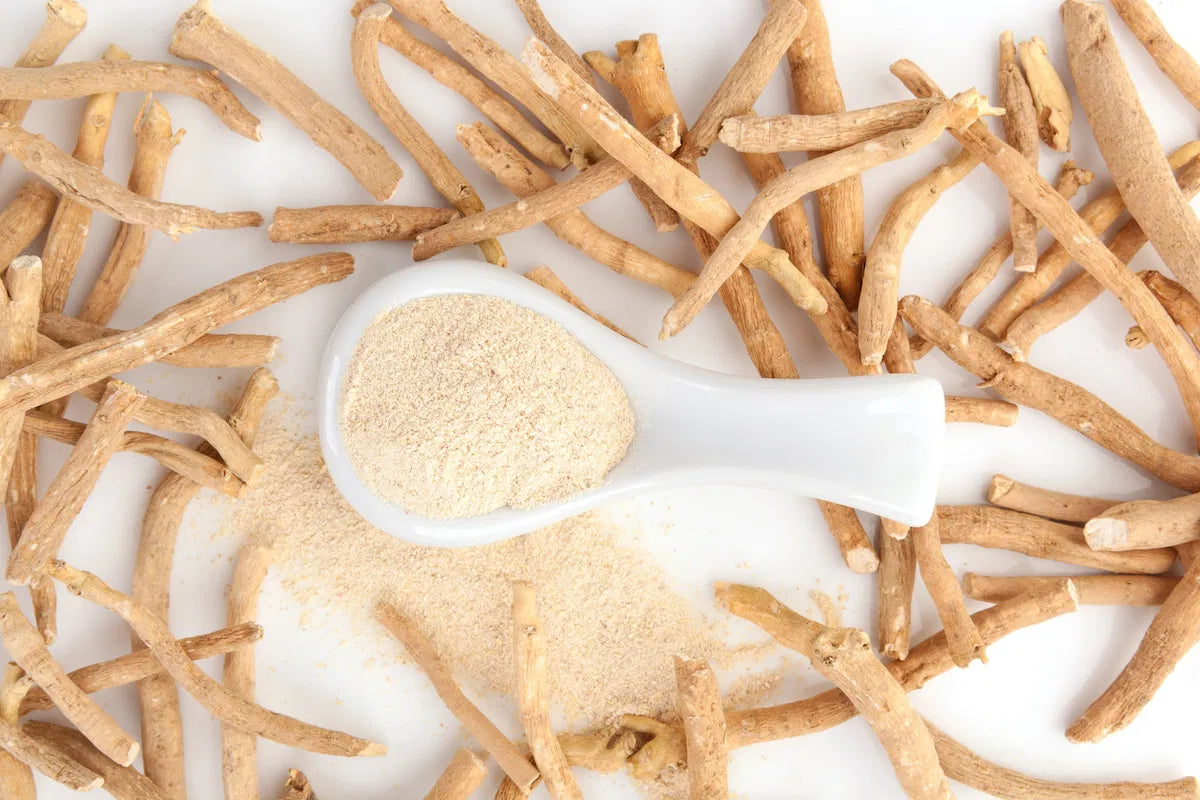
Ashwagandha, scientifically known as Withania somnifera, is a revered herb that has been utilized for centuries in Ayurvedic medicine. Originating in India, this adaptogenic plant is commonly known as Indian ginseng or winter cherry. The name 'ashwagandha' translates to 'smell of a horse' in Sanskrit, likely referring to the herb's strong aroma and its traditional association with strength and vitality.
This powerful herb has earned its place in holistic health practices due to its remarkable therapeutic properties. Ashwagandha is primarily known for its ability to combat stress and anxiety, serving as a natural remedy that helps to balance the body's physiological response to stress. Its adaptogenic qualities enable it to enhance the body’s resilience against various stressors, whether they be physical, emotional, or environmental.
In traditional Ayurvedic practices, ashwagandha has been employed for a wide range of health concerns. It is believed to bolster the immune system, promote mental clarity, and support overall wellness. The roots and leaves of the plant are utilized for their medicinal properties, typically consumed in the form of powders, tinctures, or capsules. Furthermore, ashwagandha is known to be beneficial for enhancing energy levels, improving mood, and increasing overall vitality, making it a valuable addition to one's health regimen.
As the popularity of natural remedies continues to rise, ashwagandha has garnered attention in the field of modern herbal medicine. Its historical significance combined with a growing body of scientific research underscores its importance as a stress reliever and an essential component in promoting optimal health and well-being.
Stress and Anxiety Reduction
Ashwagandha, known scientifically as Withania somnifera, is an adaptogenic herb that has gained recognition for its capacity to alleviate stress and anxiety. The stress-relieving properties of ashwagandha are attributed to its ability to modulate the body’s stress response, particularly through the regulation of cortisol levels—often referred to as the "stress hormone." Elevated cortisol levels can lead to a variety of health issues, including increased anxiety, weight gain, and disruptions in sleep patterns. Therefore, the role of ashwagandha in maintaining optimal cortisol levels is of great interest in stress management.
Research supports the efficacy of ashwagandha in improving mental well-being. A study published in the journal "Indian Journal of Psychological Medicine" found that participants who took ashwagandha extract reported a significant reduction in anxiety levels within just 60 days. The study demonstrated that individuals experienced a 44% reduction in stress and anxiety when taking the herb regularly. This outcome suggests that the adaptogenic properties of ashwagandha enable the body to better cope with and respond to stressors, both psychological and physical.
In addition to lowering anxiety levels, ashwagandha has been shown to enhance overall mood and improve cognitive functioning. Another study published in "PLOS One" highlighted that participants experienced improved quality of life and reduced stress through consistent use of ashwagandha supplementation. The herb's ability to balance neurotransmitter levels—such as serotonin—further contributes to its positive effects on mood regulation.
The therapeutic potential of ashwagandha, particularly regarding stress and anxiety reduction, positions it as a valuable natural remedy. With a body of research backing its benefits, ashwagandha presents a compelling option for those seeking to manage stress more effectively and enhance their mental well-being.
Enhancing Physical Performance
Ashwagandha, a revered herb in Ayurvedic medicine, has garnered significant attention for its potential in enhancing physical performance and strength. This adaptogen is celebrated not only for its stress-relieving properties but also for its ability to positively influence athletic capabilities. Numerous studies have investigated how regular supplementation of ashwagandha can impact various aspects of physical performance, including stamina, strength, and recovery.
Research has consistently shown that ashwagandha may enhance endurance levels in athletes. Clinical trials indicate that participants who supplemented with ashwagandha exhibited marked improvements in their overall stamina during high-intensity exercises. By reducing perceived levels of exertion while maintaining or even enhancing performance, ashwagandha allows individuals to engage in prolonged physical activities without experiencing early fatigue. This capacity to improve endurance is particularly beneficial for athletes participating in endurance sports or those seeking to improve their overall fitness.
Furthermore, studies have highlighted the herb's role in muscle recovery. Ashwagandha appears to promote faster healing after strenuous workouts, helping to minimize muscle soreness and facilitate quicker returns to high-impact training regimens. This accelerated recovery can prove instrumental for athletes aiming to maintain consistent performance levels while minimizing the risk of injury. The neuroprotective benefits of ashwagandha also support muscle health by reducing inflammation and oxidative stress, leading to a more robust athletic condition.
In sum, the integration of ashwagandha into an athlete's supplement routine may yield significant advantages related to physical performance. From enhanced stamina to improved recovery times, this powerful herb provides a natural and effective means for athletes and fitness enthusiasts alike to optimize their training outcomes and push their physical limits. As ongoing research unfolds, the potential applications of ashwagandha in athletics and fitness continue to expand.
Improving Cognitive Function
Ashwagandha, a potent adaptogen renowned for its various health benefits, has garnered considerable attention in the realm of cognitive health. This ancient herb has been traditionally used in Ayurvedic medicine, but recent scientific studies provide compelling evidence of its potential to enhance cognitive function. Research suggests that ashwagandha may play a significant role in improving memory, focus, and overall brain performance.
Several studies have indicated that ashwagandha supplementation can lead to noticeable improvements in cognitive abilities. For instance, a study published in the journal *Phytotherapy Research* demonstrated that participants who consumed ashwagandha root extract experienced significant enhancements in their memory and information-processing speed compared to those receiving a placebo. The neuroprotective properties of ashwagandha are thought to be linked to its ability to reduce oxidative stress and inflammation within the brain, thereby supporting overall neuronal health.
Furthermore, ashwagandha has shown promise in reducing levels of cortisol, the body's primary stress hormone. Elevated cortisol levels can negatively impact cognitive functions, including attention span and memory retention. By helping to lower stress responses, ashwagandha may indirectly promote better focus and mental clarity, enabling individuals to perform cognitive tasks more efficiently. This makes ashwagandha a valuable ally for students, professionals, and anyone seeking to optimize their cognitive performance in today's fast-paced environment.
Moreover, some research highlights the potential of ashwagandha to combat age-related cognitive decline. As the population ages, maintaining cognitive function becomes increasingly crucial, and ashwagandha's neuroprotective effects could play a pivotal role in preserving mental sharpness in older adults. Overall, the evidence surrounding ashwagandha's positive impact on cognitive health showcases its value as a natural approach to improving memory, focus, and brain function.
Support for Heart Health
Ashwagandha, a revered herb in traditional Ayurvedic medicine, has been gaining attention for its potential role in supporting cardiovascular health. Research indicates that ashwagandha can positively influence cholesterol levels, thereby contributing to the overall well-being of the heart. Elevated levels of LDL (low-density lipoprotein) cholesterol, commonly referred to as "bad cholesterol," have been linked to various cardiovascular diseases. Studies suggest that ashwagandha may help lower these harmful cholesterol levels, promoting a healthier lipid profile.
In addition to regulating cholesterol, ashwagandha has also been found to have a favorable impact on blood pressure. Elevated blood pressure is a significant risk factor for heart disease, and managing it is essential for maintaining heart health. The adaptogenic properties of ashwagandha may assist the body in adapting to stress, which in turn can lower blood pressure levels in individuals experiencing hypertension. This stress adaptation mechanism can lead to reduced strain on the cardiovascular system, making ashwagandha a potentially beneficial supplement for those with blood pressure concerns.
Moreover, inflammation is a known contributor to heart disease, and ashwagandha possesses anti-inflammatory properties that may mitigate this risk. Chronic inflammation can lead to arterial damage and the buildup of plaque, which compromises heart health. The bioactive compounds in ashwagandha may work to reduce inflammation throughout the body, potentially lowering the chances of developing cardiovascular complications.
Incorporating ashwagandha into one's routine may thus serve as a supportive approach to heart health. By positively influencing cholesterol levels, blood pressure, and inflammation, ashwagandha reveals itself as a valuable ally in the pursuit of cardiovascular well-being.
Hormonal Balance and Reproductive Health
Ashwagandha, an adaptogenic herb renowned for its ability to combat stress, plays a vital role in promoting hormonal balance and supporting reproductive health. This herb has garnered attention in recent years for its potential effects on testosterone levels in men, thereby impacting fertility and overall well-being. Research indicates that ashwagandha may significantly enhance testosterone production, which is essential for male reproductive health. By lowering cortisol levels—often elevated due to stress—ashwagandha can create a more conducive environment for testosterone synthesis, potentially leading to improved fertility outcomes.
In addition to benefits for men, ashwagandha also offers promising effects for women's hormonal health. Many women experience hormonal imbalances characterized by irregular menstrual cycles, mood swings, and other discomforts. Ashwagandha may assist in regulating these hormonal fluctuations by modulating cortisol and balancing estrogen levels. This adaptability makes it a valuable component of holistic approaches to managing symptoms associated with conditions such as polycystic ovary syndrome (PCOS) and menopause.
Furthermore, the herb’s adaptogenic properties serve to enhance resilience against stress, which is instrumental in maintaining hormonal equilibrium. Chronic stress can lead to disruptions in reproductive hormones, contributing to challenges related to conception and overall reproductive function. By integrating ashwagandha into a daily regimen, individuals may find a supportive ally in managing stress, which, in turn, promotes a healthier hormonal landscape.
Thus, the consumption of ashwagandha may provide a dual benefit by enhancing testosterone levels in men and promoting hormonal balance in women. This multifaceted influence on reproductive health underscores the importance of considering ashwagandha as a natural supplement for those seeking to improve their hormonal and reproductive well-being.
How to Incorporate Ashwagandha into Your Routine
Integrating ashwagandha into your daily routine can be a straightforward process, given the variety of available forms. This versatile herb is commonly found in three primary formats: powder, capsules, and tinctures. Each form offers unique advantages, allowing individuals to choose the one that best fits their lifestyle and preferences.
Ashwagandha powder is one of the most popular options. It can be easily added to smoothies, oatmeal, or tea. For those who enjoy cooking, incorporating the powder into soups or stews can be an effective way to benefit from its properties. The typical recommended dosage ranges from one to two teaspoons per day, but adjustments may be necessary based on individual health goals or sensitivity.
Capsules present a convenient alternative for individuals who prefer not to taste the herb. Typically, ashwagandha capsules are standardized to contain a specific amount of active compounds, ensuring accurate dosing. Most manufacturers suggest taking one to two capsules daily, preferably with meals to enhance absorption.
For those seeking a more concentrated option, tinctures are a great choice. A tincture is a liquid extract made from ashwagandha's roots and can be taken directly or mixed with water or juice. The suggested dosage is generally around 15 to 30 drops, taken one to three times per day, depending on the product’s concentration.
To maximize the benefits of ashwagandha, it is crucial to select a high-quality product from a reputable source. Consulting with a healthcare professional before starting any new supplement is advisable, especially for individuals with existing medical conditions or those taking medications. Tracking responses to ashwagandha and adjusting dosages over time can also help in aligning its use with personal health objectives.


